How long does it take to publish a Wikipedia page?
I can publish a Wikipedia page in under one month. I research and write the article in WikiNative Studio, test it in SimSpace and publish it directly to the English Wikipedia’s mainspace myself. That is realistic when the sources establish notability, the article meets Wikipedia’s core content policies and the client engages with the process.
The time a project takes depends on more than how quickly I write. I need suitable sources and answers to the questions that arise during drafting. Changes of direction, the client’s unwillingness to adapt and long gaps in client feedback can turn a straightforward project into a much longer one.
My Wikipedia page creation turnaround time
I have spent over eight years creating and editing Wikipedia articles professionally. I built WikiNative Studio to make that work more efficient: the sources, draft, comments and revisions stay together, where I can get on with the project.
For a commissioned new page, I research the subject, build the strongest possible case for its notability, write the article and publish it myself. You can follow the developing draft, question a passage and contribute sources. I examine what those sources establish and make the editorial decisions.
Your participation affects how quickly the work moves. A project can begin with an urgent request, then stop for weeks because the client’s priorities change, my questions go unanswered or the person handling it is away. Studio makes collaboration easier; it still needs you to take part and work towards the notability objective and compliance with Wikipedia’s core content policies. The process is much easier when you understand that objective and the importance of content-policy compliance.
My Wikipedia page creation process starts with an assessment of the sources and the subject’s potential notability. The sources determine whether there is a basis for a new article and what it can cover.
Wikipedia page creation timeline: from sources to publication
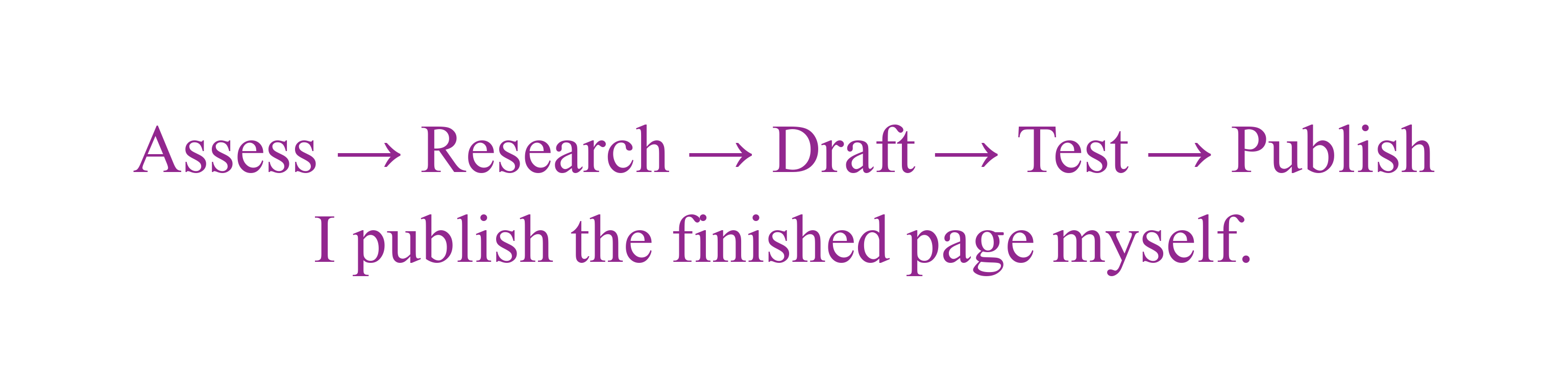
I organise the work around research, drafting, collaboration, testing and publication. Notability runs through the whole process. I regard establishing it as just as important as compliance with Wikipedia’s three core content policies: verifiability, neutral point of view and no original research.
1. Assess the sources for notability
I read the published coverage before deciding whether it provides a basis for an article. For a company or organisation, I examine reliable, independent secondary sources and what they actually say about the subject. The number of links in a folder tells me very little until I have inspected them. You can speed up this process by submitting only independent articles from mainstream media outlets that cover you or your organisation in significant depth.
I identify the sources that contribute to establishing notability and the gaps that need further research. This assessment informs the proposed work; it does not replace the detailed research and drafting that follow.
2. Research the subject and define the scope
I investigate the strongest sources and define the proposed work around them. Their coverage determines the article’s structure, emphasis and factual detail. A client’s preferred list of topics cannot substitute for what suitable published sources actually say.
I also identify the questions I need you to answer and any further sources you can supply. Keeping those questions moving helps me progress the draft. A change of direction or an unanswered question can hold up work that would otherwise be ready to continue.
3. Build the case for notability in WikiNative Studio
I draft the article in your private MediaWiki workspace, using the sources to present the strongest possible case for the subject’s notability. I select and organise the material around that central aim while checking verifiability, neutral point of view and no original research.
I develop the references alongside the wording, so you can inspect a passage and the sources supporting it together. You can follow the developing article and collaborate with me in real time during my working hours.
4. Collaborate, revise and test in SimSpace
You can comment on an individual passage, and I can reply beside it, inspect the relevant source and revise the wording. You can also post longer suggestions, share ideas and hold broader discussions with me on your discussion page.
The goal is to strengthen the article’s case for notability. I examine suggested changes against the sources, resolve factual questions and remove material that does not contribute to that aim. I rigorously test the draft in SimSpace and check its adherence to the notability objective and its compliance with the core content policies before publication.
5. Make the final checks and publish the article myself
I make sure the article presents the strongest possible case for the subject’s notability and remove anything that does not contribute to that central aim. I also check verifiability, neutral point of view and no original research, alongside the references, internal links, WikiText and finished wording.
When the commissioned work is ready, I publish the article directly to the English Wikipedia’s mainspace myself. Once it is live, I do not edit it again unless you commission a separate editing project.
How WikiNative Studio helps me publish a Wikipedia page
Take the fictional Mereford Ceramics demonstration. Suppose the draft says, “Mereford Ceramics began in 2013.” The demonstration source pack describes a workshop operating in 2011 and the company being registered in 2013.
The invented client highlights that sentence and asks, “The workshop was making ceramics in 2011. Why does this say 2013?” I check the relevant passages and reply: “Those dates refer to different events. I will distinguish the workshop from the registered company.”
My revised sentence reads: “The business developed from a shared workshop established in 2011; the company was registered in 2013.” The question, my explanation and the correction stay together, where the client can inspect them. That resolves a factual question; the wider drafting process still needs to establish the subject’s notability.
The draft, the sources and the discussion remain connected while I work. I built Studio to speed up my processes by improving efficiency. I can move between a passage, its sources and your comments without reconstructing the conversation from scattered messages.
The Mereford Ceramics example demonstrates the process using a fictional company. It shows the tools and the reasoning; it is not a record of a real client’s publication time. You can also try the Studio demonstration yourself.
Wikipedia publishing services: what does publication actually mean?
When you compare Wikipedia publishing services, establish what you are commissioning. Writing a draft, handing it to someone else to publish and publishing it directly to Wikipedia’s mainspace are different services. Ask who researches the subject, who writes the article and who actually publishes it.
Wikipedia pages remain subject to ongoing review and scrutiny after publication. Publishing directly to mainspace does not remove that scrutiny. The distinction is who publishes the page: I do that myself.
My service is clear: I research and draft the article, collaborate with you in WikiNative Studio, test the work in SimSpace and publish the finished article myself. Client discussion and private testing are part of my preparation. I publish directly to mainspace instead of handing the draft to someone else to publish.
Wikipedia page publication time: your questions answered
How long does it take to create a Wikipedia page?
I can complete a suitable new page project in under one month. The sources must establish notability, the article must comply with the core content policies and the client needs to engage with the process. Prompt answers and useful source contributions help the work move; changing plans and long gaps in communication extend it.
Does WikiNative submit Wikipedia drafts for review?
No. I publish the finished article directly to the English Wikipedia’s mainspace myself. You can discuss the draft with me in your private workspace, and I test it in SimSpace. That collaboration and testing are preparation for my publication of the page, not a submission to an external draft review queue.
Can you create a Wikipedia page in a month?
Yes. A month is a realistic possibility when suitable sources establish the subject’s notability and you work with me towards a strong, compliant article. I need you to answer questions, engage with the draft and help resolve outstanding issues. Your acceptance of Wikipedia’s content policies and awareness of the notability objective matter alongside that participation. The time you take to participate has a direct bearing on how long the project takes.
How does WikiNative Studio keep Wikipedia page creation moving?
I combine rigorous drafting in a MediaWiki environment with rigorous testing in SimSpace and direct publication to Wikipedia. I work on establishing notability, checking sources and ensuring content-policy compliance throughout the draft, so problems can be addressed as they arise. Studio keeps the discussion beside the work and gives you a clear place to contribute.
Start your Wikipedia page creation project
My consultancy services are available to paying WikiNative Studio subscribers. Subscribe first, then use your private workspace to provide your brief and sources and order the assessment. The software subscription and commissioned editorial work cover separate parts of the service.
Identify the subject and share the published sources you have via WikiNative Studio’s drag and drop source uploader. I will examine their contribution to notability and explain the proposed work. The sources determine what the article can cover. If you commission a page creation project, I write the article, work through the revisions with you and publish the finished page myself.